
VIEW from the BLEACHERS
A humor blog
by Tim Jones, BA, JD, MBA, ESQ, FAQ, INC, LOL, WTF, UBU, IDK, ETC
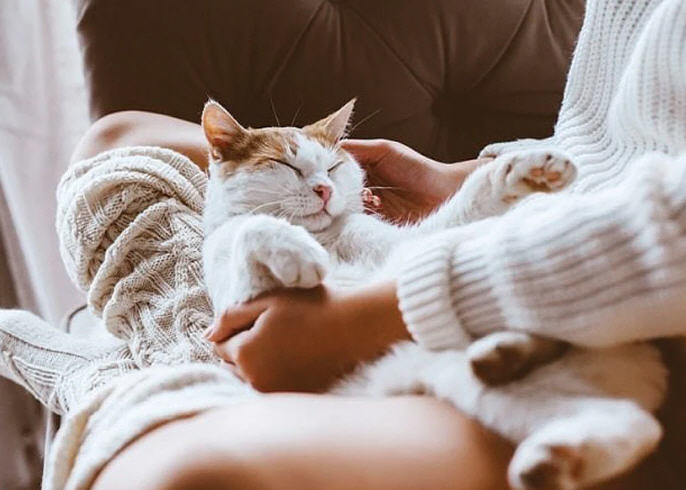
I Would Offer to Help But There’s a Cat on My Lap
Lately, I’ve found yet another extremely useful function of our three cats, Buddy, Zippy, and Monster. And that’s to get me out of having to help around the house. That’s because my wife and I have a tacit agreement: When one of us is lying on the couch, and there’s a cat on our lap, we mustn’t disturb our furry friend from their peaceful slumber.
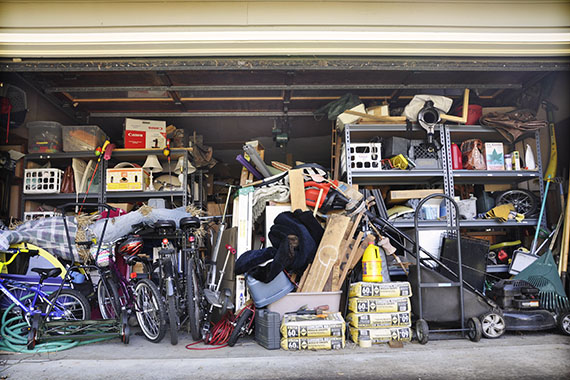
My Wife Says We Hold Onto Too Much Stuff – Why She’s Wrong
My wife complains we have way too much stuff. She has a long list of what she considers to be totally unnecessary items that are just collecting dust which she feels are no longer being used, are just taking up space, and should be tossed out. I’m cautiously optimistic to report that as of this writing, I am not one of the items on that list. But I suspect I’m on the bubble.

Why I Despise – CORRECTION: ADMIRE Governor Ron DeSantis
Florida Governor Ron DeSantis is being hailed by many on the right as the next savior of the party and the politician most likely to challenge Trump for the 2024 nomination. I used to hate DeSantis, but then, well, I read an ominous news article about his plans and I, um, well, I changed my mind. Read why.

Humor Writing Made Easy With ChatGPT
Tremendous advances in AI have introduced something called AI chatbots. The most popular one is called ChatGPT. Now, within a matter of seconds, you can find detailed answers to virtually any topic. These programs’ responses are written so coherently, it’s virtually impossible to tell they weren’t written by a human. Which gave me a great idea….

A Special Valentine’s Day Poem For My SWEETHEART
Roses are Red, Violets are Blue. You know the poem. But on Valentine’s Day, I wanted my wife to know just how sweet my love is for her…..
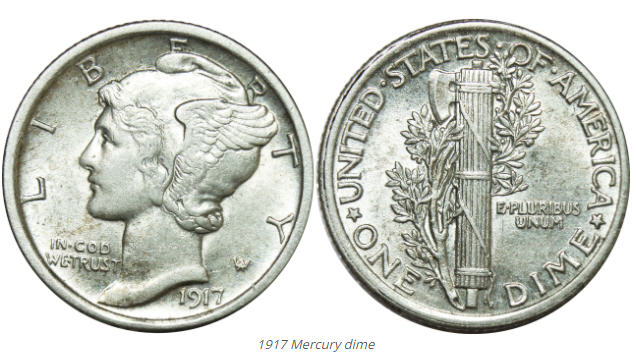
Buddy, Can You Spare a Dime?
When I was young, I was a serious coin collector. For several years I collected Mercury dimes. Fifty years later I finally decided to have my precious collection appraised. What transpired felt like an episode of Antiques Roadshow. When they told me the value of my small fortune, I could not believe my ears.

Check out my View from the Bleachers YouTube channel
Give Someone Special the Very Best of View from the Bleachers

A collection of Tim Jones’ all-time funniest View from the Bleachers articles he’s written over the years.
Recent posts
 I Would Offer to Help But There’s a Cat on My Lap
 My Wife Says We Hold Onto Too Much Stuff – Why She’s Wrong
 Why I Despise – CORRECTION: ADMIRE Governor Ron DeSantis
 Humor Writing Made Easy With ChatGPT
 A Special Valentine’s Day Poem For My SWEETHEART
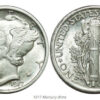 Buddy, Can You Spare a Dime?
 Trapped in the Land of Do-It-Yourselfers
 How to Vacation in the Amazon and Live to Tell About It
 My Family’s Christmas Miracle
 I HATE SNAKES!
YOU'RE GROUNDED FOR LIFE

Read this hysterically funny book about Tim Jones’s many parenting failures — Sure to make you feel like Parent of the Year by comparison.